
Bram Stoker Lives On
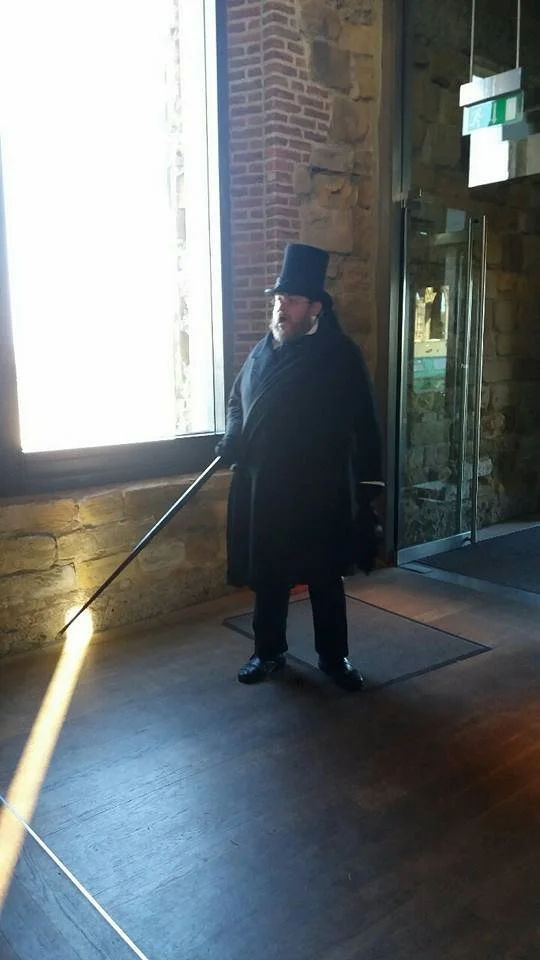
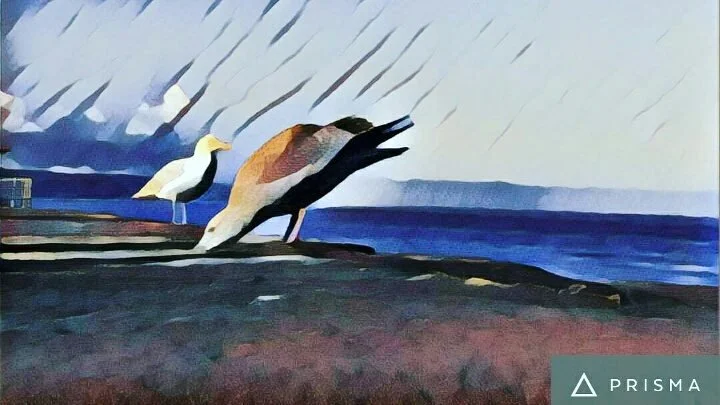
It’s the week before Halloween, and all through England… where better to be than Whitby, North Yorkshire, with the black-outfitted lovers of gothic dread! So far this week, I have seen cobwebs hung over every ancient window like bunting, listened to ghost stories told in the old oral tradition by a Victorian funeral director in the ruins of Whitby Abbey with the assistance of modern voice projection equipment, and been involved in the gothic prisma’ing of the beautiful old town and Abbey ruins as just part of the digitised Halloween delights.
I wonder what Bram would have thought to the Dracula hunters dissecting West Cliff with modern cameras and mobile phones? Would he have been amused, or disturbed, or think he needed to sleep off more ale?
It is at times like these that I feel you can really see the ways in which we have best utilised digital literacies into everyday life. The use of digital tools for fun and recreation, in a beautiful location, all based on classic literature, combined with the comforting thought that Bram based the background of his epic horror on earlier, oral literature that he strayed across in Whitby. The tale (thought to be true) of the empty ship full of coffins shipwrecked at Whitby, the rumour of the great black dog with red eyes haunting the already haunted Abbey ruins, and the visual splendour of the ruins themselves, clinging to their scarred cliff face.
To all the Dracula hunters out there – here’s hoping you find that great black dog with glowing red eyes – get a Samsung snap for me!
